The 2026 Fleet Manager’s Guide: Navigating EEC Certifications, SKD/CKD Strategies, and the Future of Electric Utility Vehicles
Introduction — The Green Revolution in Urban Logistics
The global landscape of urban logistics is undergoing a radical and irreversible transformation. As major metropolitan areas across Europe, Southeast Asia, and Africa enforce stricter "Low Emission Zones" (LEZ) and "Zero Emission Zones" (ZEZ), the era of traditional internal combustion engine (ICE) vans is rapidly drawing to a close. For logistics providers, last-mile delivery firms, and automotive distributors, the shift to electric mobility is no longer a strategic choice—it is a mandatory evolution for survival.
However, entering the electric vehicle (EV) market is fraught with challenges. Navigating a complex web of international regulations, overcoming high import duties, and managing the logistical intricacies of heavy battery shipments require more than just a product; they require a strategic partnership. But before a single vehicle can be sold or a fleet deployed, a business must first address the most critical hurdle: regulatory compliance.
Decoding the EEC L6e/L7e Certification Framework
In the European Union, the classification of electric micro-mobility is strictly governed by Regulation (EU) No 168/2013. For B2B distributors, understanding these categories is the foundation of a legal business. Without proper certification, vehicles cannot be registered for road use, insured, or eligible for government green incentives.
Our flagship A41 Electric Pickup is precision-engineered to meet the L6e-BU (Light Quadricycle for Utility) standards.
-
Why L6e-BU? This category is a strategic "sweet spot." It allows the vehicle to operate in dense urban centers where larger trucks are restricted. With a maximum speed capped at 45 km/h and a specialized utility chassis, the A41 bypasses the heavy taxation of full-sized commercial vehicles while providing ample payload for inner-city distribution.
-
The Power of the COC: Every unit exported by Amoto, from the A11 e-scooter to the A41 utility truck, is accompanied by a Certificate of Conformity (COC). This document is the "golden passport" that allows seamless registration across all EU member states, ensuring your fleet can hit the road the moment it clears customs.
While compliance provides the legal "right to play," the success of a dealership ultimately depends on having the right product for the right application. This brings us to our diverse 2026 product lineup.
Technical Deep-Dive — A Multi-Tier Product Portfolio
Diversity in a product lineup allows a distributor to hedge risks and serve multiple industries. Amoto’s 2026 catalog focuses on three distinct pillars of urban mobility:
-
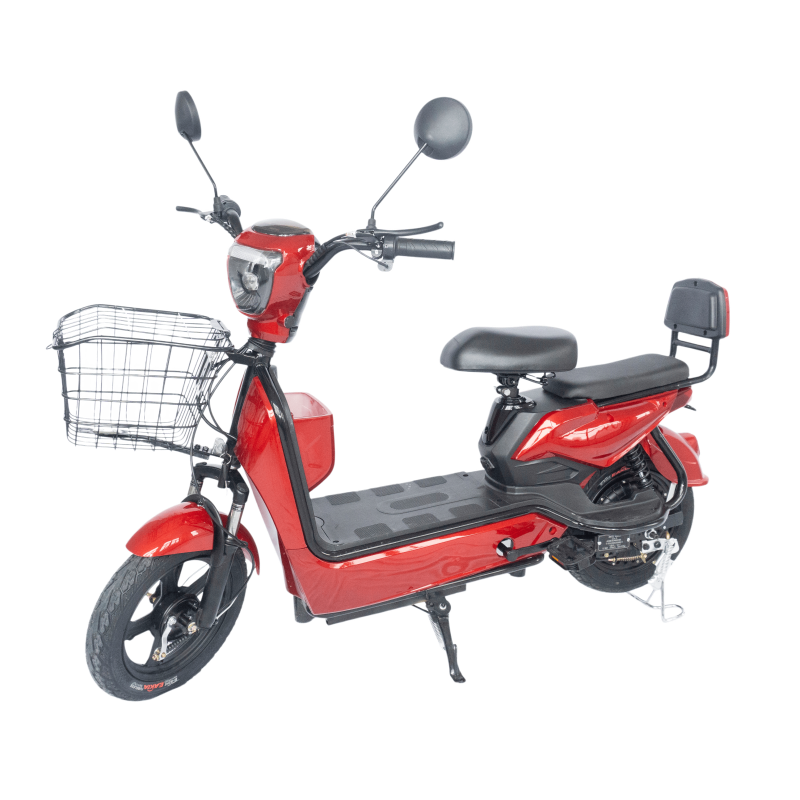
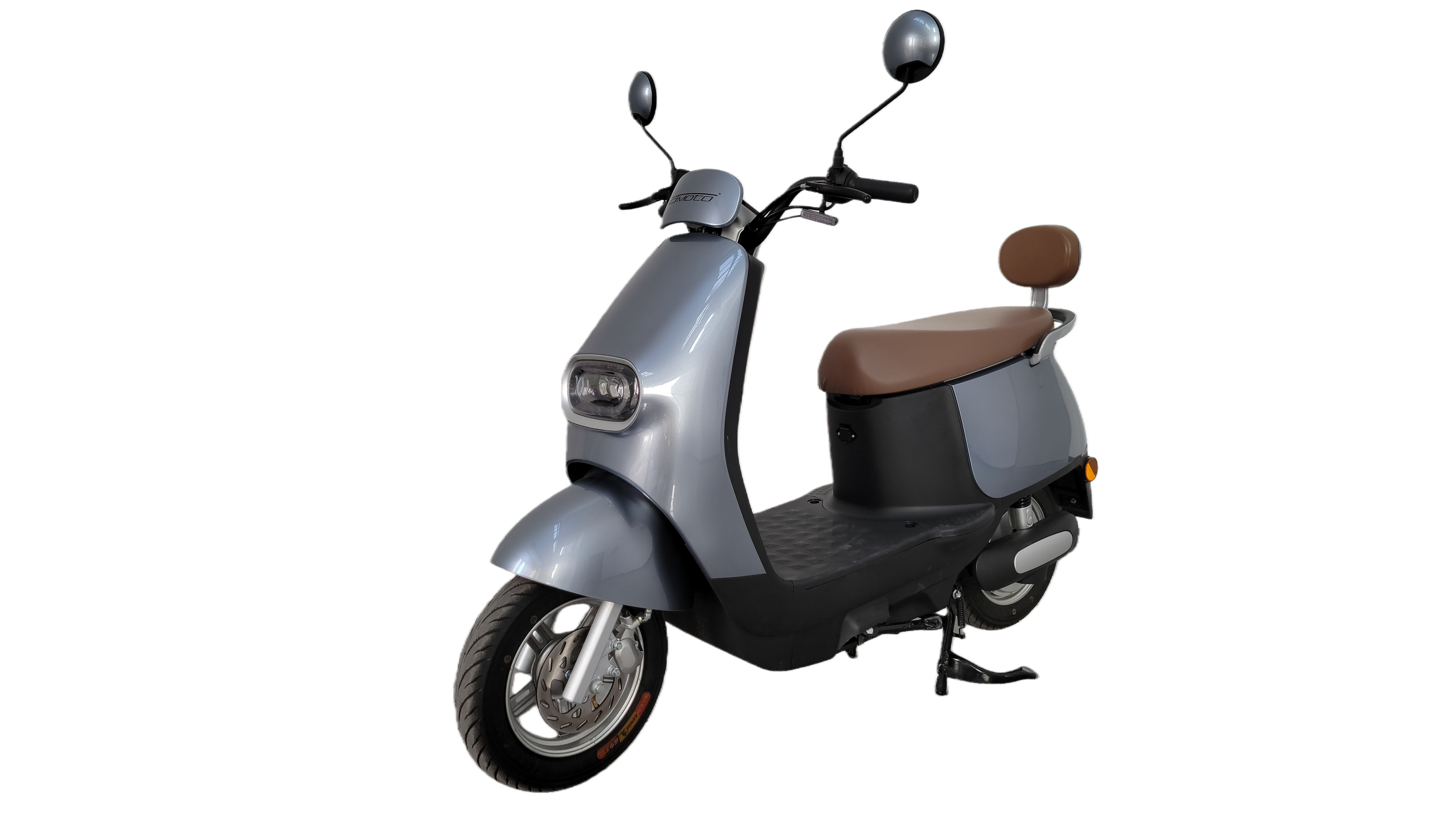
A11 & A21 (Smart Two-Wheelers): These are the workhorses of the "Gig Economy." Designed for high-frequency food and parcel delivery, they feature high-density Lithium Iron Phosphate (LiFePO4) batteries with quick-swap capabilities. This eliminates "range anxiety" and charging downtime, keeping delivery riders on the move 24/7.
- A31 (Electric Cargo Trike): The A31 represents the ultimate solution for narrow-alleyway logistics common in Mediterranean and North African cities. With high-torque motor configurations and a reinforced suspension system, it handles heavy loads on inclined terrains where two-wheelers lack stability and four-wheelers lack agility.
-
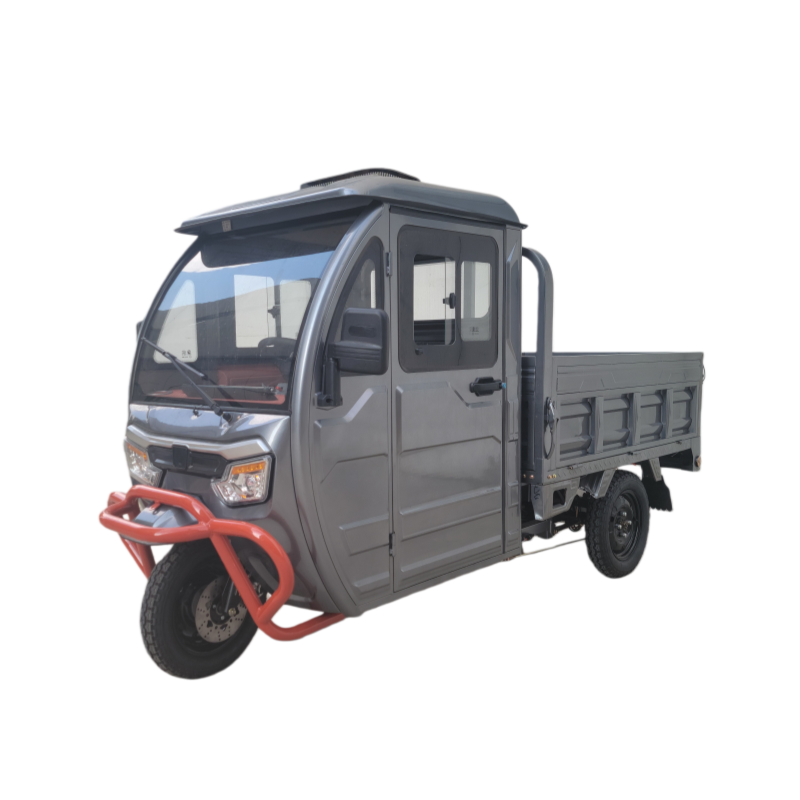
A41 (Electric Micro-Pickup): As a four-wheel utility vehicle, the A41 offers the weather protection of a fully enclosed cabin and the versatility of a modular cargo bed. Whether configured as a flatbed, a box van, or a specialized waste-management unit, it serves municipalities and large-scale industrial parks with zero tailpipe emissions.
A41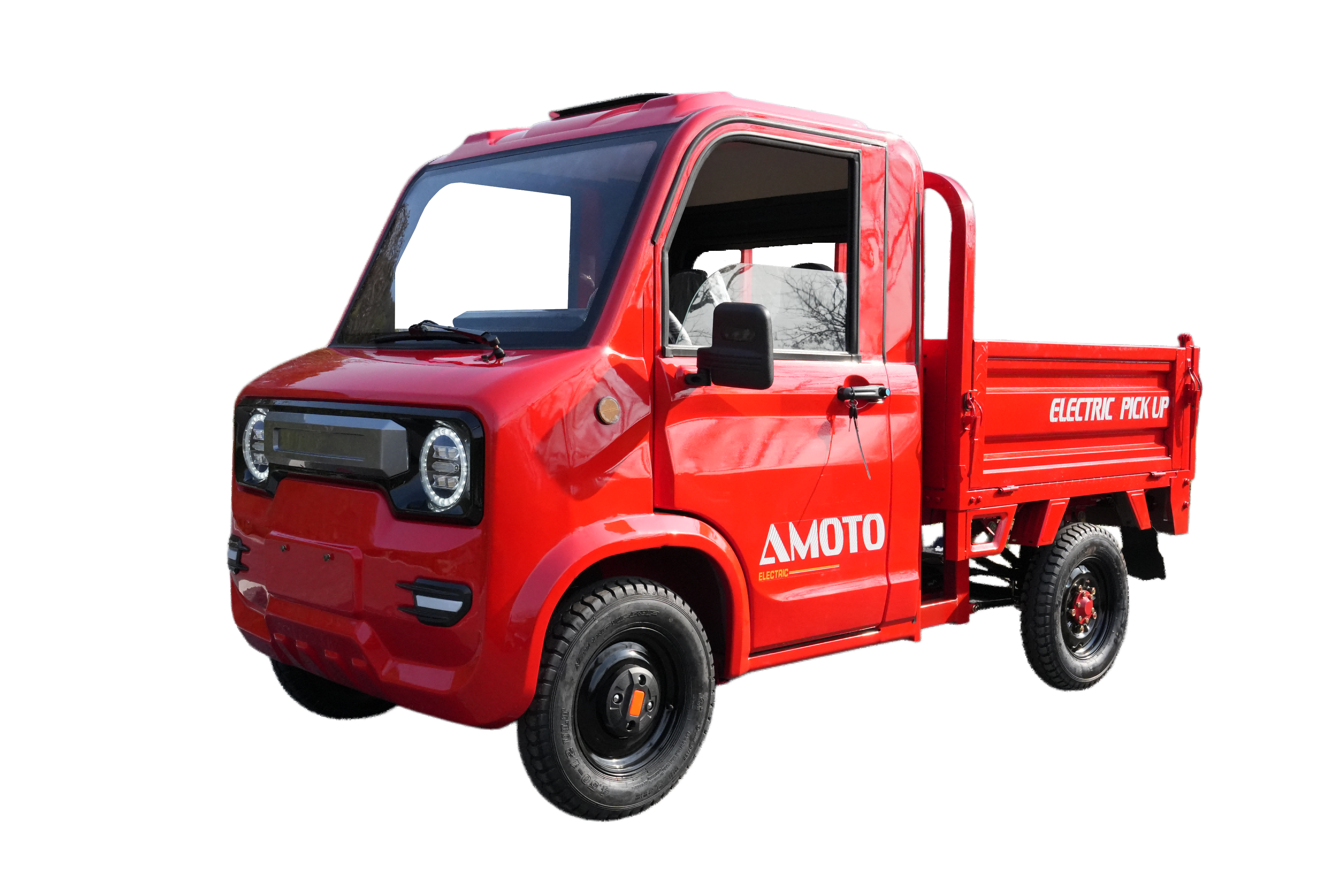
However, high-performance hardware is only half the equation. To ensure these vehicles operate reliably in diverse climates, we must look closer at the "heart" of the machine.
Battery Technology — Safety, Longevity, and Compliance
The heart of any EV is its battery. At Amoto, we prioritize safety and long-term reliability over cheap alternatives.
UN38.3 & MSDS Compliance: All our battery packs undergo rigorous vibration, thermal, and shock testing to meet international maritime dangerous goods (IMDG) standards. This ensures that your shipments are never delayed due to battery safety concerns.
Even with the best technology, the high costs of international shipping and import taxes can often erode profit margins. This is where our innovative assembly strategies come into play.
Strategic Growth via SKD & CKD Assembly Models
For international distributors, the primary barriers to scale are often high import tariffs and logistical costs. To solve this, we offer a tiered supply chain strategy:
-
SKD (Semi-Knocked Down): We pre-assemble the chassis, motor, and powertrain, while body panels and tires are packed separately. This "semi-kit" increases container loading efficiency by up to 40%. For example, a 40HQ container that fits only a few fully assembled units can fit significantly more SKD units, slashing the per-unit freight cost.
-
CKD (Completely Knocked Down): This is the ultimate tool for market leaders. By importing "parts" instead of "vehicles," distributors can often benefit from a 0% to 5% import duty rate in many countries. Amoto provides a Total Knowledge Transfer package, including factory layout designs and video-based SOPs to help you set up a local assembly plant with minimal capital expenditure.
To complement these assembly models, our logistics team has refined the art of international shipping to ensure that every shipment is a masterpiece of efficiency.
Expert FAQ — Solving the Distributor’s Dilemma
-
Q: What is the primary difference between L6e and L7e certifications? A: L6e (Light Quadricycles) is limited to 45 km/h and 6 kW, often accessible with a basic AM license, while L7e allows higher speeds but requires a full B license.
-
Q: How does the SKD model affect the final retail price? A: It typically reduces the landed cost by 15% to 30% through freight savings and lower import tariffs.
-
Q: Are the batteries certified for international shipping? A: Yes, all our lithium packs come with UN38.3 certification and MSDS reports for safe maritime transport.
ESG and Sustainability — The B2B Selling Point
In 2026, corporate clients are no longer just looking at the bottom line; they are looking at their ESG (Environmental, Social, and Governance) scores. By integrating Amoto’s electric fleet into their operations, your clients can report a significant reduction in their Scope 1 carbon emissions. This makes your offering highly attractive to government tenders and multinational corporations that are committed to "Net Zero" targets.
Ultimately, the most effective way to understand the value of our ecosystem is to experience it in person.
Conclusion — Partnering for a Sustainable Future
The transition to green energy is an unstoppable tide. Navigating this shift requires a partner who understands not just the mechanics of a vehicle, but the economics of international trade and the nuances of global certification. At Amoto, we provide the tools, the technology, and the tactical support to help you dominate the EV market in your region.
Why battery range drops in winter