
3 Wheel Electric Cargo Vehicle vs 4 Wheel Mini Truck
3 Wheel Electric Cargo Vehicle vs 4 Wheel Mini Truck
As businesses around the world look for more efficient, practical, and environmentally friendly transportation solutions, electric utility vehicles are becoming increasingly popular. Among the available options, the 3 Wheel Electric Cargo Vehicle and 4 Wheel Mini Truck are two practical choices for urban delivery, industrial transportation, agricultural work, facility management, and short-distance cargo hauling.
The following guide is a special good reading for you who are want to buy a electric vehicle for cargo transportation.
If you are looking for a compact electric utility vehicle for commercial or industrial use, you can also https://www.amoto.group to explore more electric vehicle solutions and product specifications.
1.Basic differences
Before looking at the details, it helps to understand the main differences between these two vehicle types.
A three-wheel electric vehicle generally focuses on compact dimensions, maneuverability, and efficient short-distance transportation. It can be particularly useful in narrow roads, warehouses, factories, farms, residential communities, and urban areas where space is limited.
A four-wheel mini truck, on the other hand, provides a more traditional vehicle configuration. Its four-wheel design can offer increased stability and a larger overall platform, making it suitable for heavier cargo and more demanding working environments.
|
Feature |
A31 |
A41 |
|
Vehicle Type |
3 Wheel Electric Cargo Vehicle |
4 Wheel Mini Truck |
|
Motor Voltage |
72V |
72V |
|
Motor Power |
2000W |
3000W |
|
Battery |
72V 58Ah Lead-acid battery |
72V 106Ah Lithium Battery |
|
Range per Charge |
70–85 km |
70–115 km |
|
Maximum Speed |
25/40 km/h |
25/40 km/h |
|
Max Hill-starting Ability |
≤15° |
≤18° |
|
Curb Weight |
280 kgs |
397 kgs |
|
Maximum Load Capacity |
745 kgs |
829 kgs |
|
Cargo Bed Size |
1450 × 1060 × 625 mm |
1374 × 1267 × 674 mm |
|
Type Size |
3.75-12/4.00-12 |
4.50-12 |
The A31 and A41 provide a useful example of this difference.
The specifications show that both vehicles are designed for practical electric transportation, but their strengths are different.
2.What is a 3 wheel electric cargo vehicle
A 3 Wheel Electric Cargo Vehicle is a compact electric utility vehicle designed around a three-wheel configuration. Compared with conventional four-wheel commercial vehicles, three-wheel models can provide a smaller turning footprint and convenient maneuverability.
This makes them attractive for businesses that frequently operate in confined environments.
3 wheel electric cargo vehicles applications include:
- Urban cargo delivery
- Factory transportation
- Warehouse logistics
- Agricultural transportation
- Campus transportation
- Community logistics
- Municipal maintenance
- Short-distance goods transportation
- Industrial parks
The A31 model which is a good example of category.
Click https://www.amoto.group/electric-cargo-tricycle.html for more details.
The A31 cargo tricycle with a dimension of approximately 2957 × 1176 × 1657 mm, giving it a relatively narrow body compared with many conventional commercial vehicles. Its wheelbase is 1978 mm and ground clearance is 230 mm.
For operations where maneuverability and compact dimensions matter, these characteristics can be valuable.
A 4 Wheel Mini Truck is a compact four-wheel utility vehicle designed to combine the functionality of a small truck with the advantages of electric propulsion.
Unlike a passenger-oriented electric cars, a mini electric truck is primarily designed around practical transportation needs.
A typical four-wheel electric mini truck can be used for:
- Commercial deliveries
- Agricultural work
- Factory logistics
- Warehouse operations
- Industrial parks
- Property maintenance
- Municipal services
- Food and beverage distribution
- Short-distance cargo transportation
The A41 model represents this type of electric utility vehicle.
Check more details from https://www.amoto.group/4-wheel-mobility-scooter.html.
The standard version with a dimensions are approximately 2995 × 1369 × 1709 mm, with a wheelbase of 1965 mm. Compared with the A31, the A41 has a wider overall body and a four-wheel configuration.
It also has a larger rated maximum load capacity of 829 kg, compared with 745 kg for the A31.
For customers whose priority is cargo capability and a more substantial four-wheel platform, the A41 electric truck https://www.amoto.group/4-wheel-mobility-scooter.html is worth considering.
4.A31: A compact 3 wheel electric cargo vehicle for daily transportation
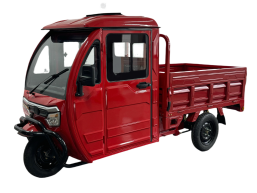
The A31 is designed for users who need a compact electric utility vehicle without moving into a larger commercial truck category.
Its 72V 2.0kW motor provides practical electric power for low-speed transportation applications. The electric tricycle has a maximum hill-starting capability of 15°, making it suitable for many normal urban, industrial, and agricultural environments.
The A31 electric tricycle uses a 72V 58Ah lead-acid battery, with an estimated range of approximately 70–85 km per charge, depending on operating conditions, payload, road conditions, driving style, and other factors.
The vehicle's maximum speed is available in 25 km/h and 40 km/h configurations, which allows buyers to select an appropriate configuration according to their intended application and local requirements.
One of the most important considerations when buying an electric cargo vehicle is the cargo bed. The A31 features a cargo bed measuring approximately:1450 × 1060 × 625 mm. This provides useful space for transporting tools, agricultural products, packages, equipment, and other daily cargo. And with technically permissible max loading capacity is 745 kg, it makes the A31 tricycle is more than simply a small electric vehicle. It is designed as a practical utility transportation solution.
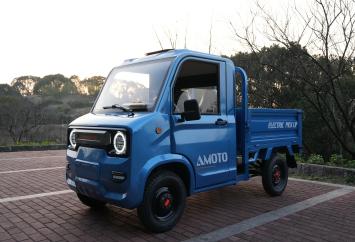
For customers who require greater power, higher payload capacity, and a larger battery, the A41 electric mini truck could offers a different approach.
The A41 uses a 3.0kW motor, providing more motor power than the 2.0kW motor used by the A31.
Its maximum hill-starting capability is rated at 18°, compared with 15° for the A31.
This difference can be particularly relevant for customers operating in areas with slopes, uneven terrain, or heavier cargo requirements.
The A41 is equipped with a 72V 106Ah lithium battery and offers a stated range of approximately 70–115km per charge. This gives the A41 electric mini truck an advantage for applications where longer operating distance and reduced charging frequency are important.
If cargo transportation is your primary requirement, the maximum load capacity is one of the first specifications you should compare.
|
A31 |
A41 |
|
|
Maximum Load Capacity |
745 kgs |
829 kgs |
|
Cargo Bed Size |
1450 × 1060 × 625 mm |
1374 × 1267 × 674 mm |
The A41 offers approximately 84 kg more maximum load capacity than the A31. And the A41 cargo bed size also bigger than A31. This means buyers should not compare cargo beds based only on length. Width and height are also important depending on what you need to transport.
For example, businesses transporting wide boxes, agricultural materials, equipment, or bulky goods may find the A41's wider cargo bed useful. On the other hand, the A31's longer cargo bed may be attractive for certain types of long cargo.
Battery technology is another important difference between the A31 and A41.
The A31 uses a 72V 58Ah lead-acid battery, while the A41 uses a 72V 106Ah lithium battery.
Lead-acid batteries have been widely used in electric utility vehicles because of their familiar technology and established supply chain.
Lithium batteries, meanwhile, are increasingly popular in modern electric vehicles because of their energy density and suitability for applications where range, weight, and battery performance are important.
For buyers, the best battery technology depends on the operating requirements and total cost of ownership.
When comparing electric utility vehicles, don't look only at the initial purchase price. Consider:
- Daily operating distance
- Average cargo weight
- Charging frequency
- Battery replacement requirements
- Working hours
- Terrain
- Climate
- Maintenance requirements
- Expected vehicle service life
A vehicle with the lowest initial price is not necessarily the vehicle with the lowest long-term operating cost.
Electric utility vehicles are increasingly relevant to agricultural applications because many farm transportation tasks involve relatively short distances.
A compact electric mini truck can transport:
- Crops
- Fertilizer
- Tools
- Feed
- Equipment
- Boxes
- Farm supplies
- Harvested products
The A31's compact design can be useful in narrow farm roads and areas where maneuverability is important.
The A41, with its higher load capacity and more powerful motor, may be better suited to farms that regularly move heavier cargo or operate on slopes.
Its 18° maximum hill-starting capability can also be an important specification for customers working in hilly environments.
However, buyers should always evaluate the actual terrain and expected payload before selecting a vehicle.
When comparing a 3 Wheel Electric Cargo Tricycle vs 4 Wheel Mini Truck, don't make the decision based on only one specification.
Instead, consider the following six factors.
Determine the average cargo weight rather than only the maximum cargo weight.
If your normal cargo is close to the vehicle's maximum capacity, consider moving up to a higher-capacity model.
Flat urban roads are very different from agricultural roads, factory ramps, and hilly areas.
If your working environment includes slopes, motor power and gradeability become more important.
Calculate how many kilometers the vehicle needs to travel each day.
For longer daily routes, a larger battery and higher stated range can reduce charging interruptions.
If the vehicle frequently operates in narrow areas, vehicle width and maneuverability may be more important than maximum payload.
Compare lead-acid and lithium battery systems according to your operating requirements and long-term ownership plans.
Need to consider electricity consumption, charging, maintenance, battery replacement, tires, downtime, and expected working life.
If this information has helped you choose an electric delivery vehicle and you'd like to try purchasing one immediately, please contact us at https://www.amoto.group. to discuss product specifications, bulk orders, OEM/ODM requirements, and the right electric vehicle solution for your market.
Electric 4 Wheels Cargo Vehicles from AMOTO WHEELS
Simple Electric Scooter for Easier Green Mobility- A11